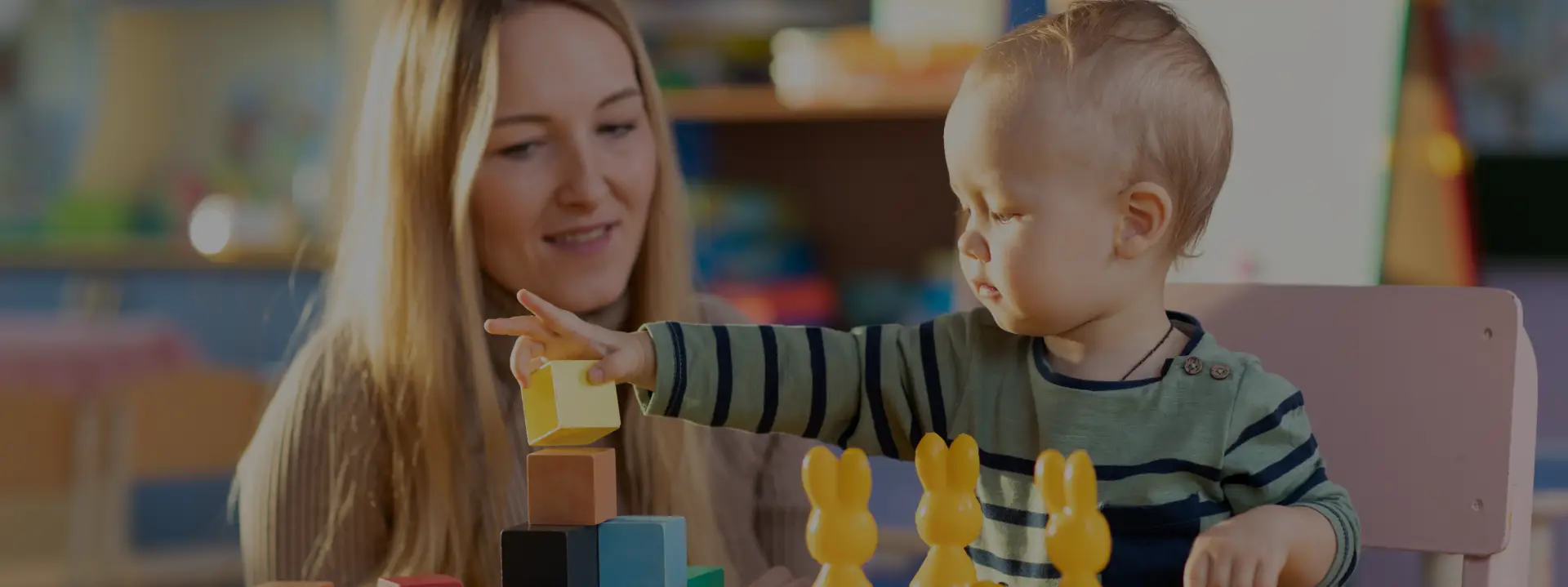

Every child with autism is unique, with their own strengths, challenges, and goals. At Hearts ABA, we believe therapy should reflect that individuality. Rather than using a one-size-fits-all approach, our team creates personalized ABA therapy plans designed around each child’s specific needs, abilities, and developmental goals.
Applied Behavior Analysis (ABA) therapy is one of the most widely researched and effective approaches for helping children with autism build important life skills. Through individualized strategies and positive reinforcement, ABA therapy helps children develop communication skills, social abilities, independence, and confidence.
Our team of experienced Board Certified Behavior Analysts (BCBAs) and Registered Behavior Technicians (RBTs) works closely with families to create a supportive and collaborative environment where children can grow and succeed.
Personalized ABA Therapy for Every Child
No two children learn the same way. That’s why personalized treatment planning is at the core of what we do.
Our team begins with a comprehensive assessment to understand your child’s strengths, needs, and current developmental stage. From there, we develop an individualized care plan that focuses on meaningful goals such as communication, behavior, social interaction, and daily living skills.
Throughout the process, we continuously monitor progress and adjust strategies to ensure your child is always moving forward.

Skills ABA Therapy Can Help Develop
ABA therapy is designed to support children across many areas of development. Depending on the child’s needs, therapy may focus on helping them improve:
Communication Skills
Many children with autism struggle to express their needs or understand others. ABA therapy helps children build verbal and non-verbal communication skills so they can better interact with the world around them.
Social Skills
Learning how to interact with peers, share, take turns, and understand social cues can be challenging. ABA therapy teaches these skills through structured practice and real-world scenarios.
Daily Living Skills
Independence is an important goal for many families. ABA therapy can help children learn essential life skills such as dressing, brushing teeth, following routines, and completing tasks independently.
Behavioral Regulation
ABA therapy helps children understand and manage behaviors by identifying triggers and teaching positive alternatives. This helps reduce challenging behaviors while encouraging more productive responses.
Learning and Focus
Many children benefit from strategies that improve attention, task completion, and the ability to follow instructions in both academic and home environments.
A Collaborative Approach with Families
At Hearts ABA, we believe parents and caregivers are essential partners in a child’s success. Our team works closely with families to provide guidance, support, and strategies that can be used at home and in everyday situations.
By maintaining open communication and involving families throughout the therapy process, we help ensure that progress continues beyond therapy sessions.
Supporting Your Child’s Growth and Independence
ABA therapy is not just about addressing challenges—it’s about unlocking potential. With the right support, children with autism can build skills that allow them to communicate more effectively, form meaningful relationships, and gain greater independence.
At Hearts ABA, our mission is to provide compassionate, individualized care that helps every child reach their fullest potential.